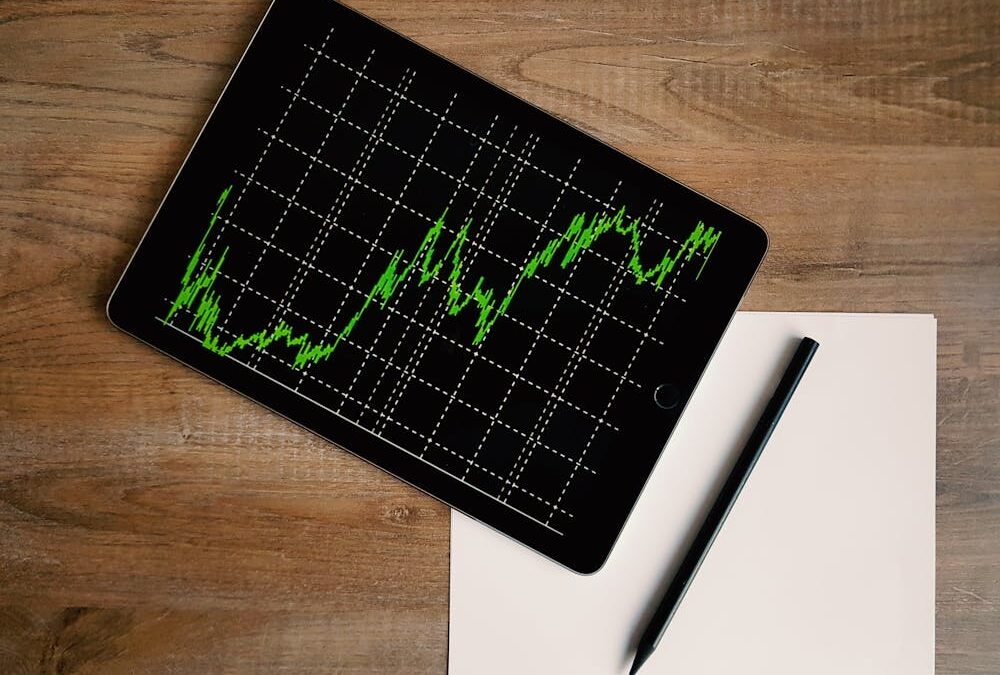
If you could know with certainty when the market would hit its bottom, you’d invest everything then and ride the recovery to maximum profit. But no one — not hedge fund managers, not central bankers, not Wall Street’s best analysts — can consistently predict market bottoms. Dollar cost averaging (DCA) is the strategy that lets you benefit from market volatility without needing to predict it.
What is Dollar Cost Averaging?
Dollar cost averaging is the practice of investing a fixed amount of money at regular intervals — weekly, monthly, quarterly — regardless of current market prices. Instead of trying to invest a lump sum at the “perfect” moment, you spread your investment over time, automatically buying more units when prices are low and fewer units when prices are high.
The name comes from US investing terminology (“dollar” referring to the fixed-amount approach), but the strategy is universal. In India, the SIP (Systematic Investment Plan) in mutual funds is a near-perfect implementation of DCA — you commit to investing ₹2000 or ₹10,000 every month, and the fund automatically purchases whatever number of units that amount buys at the current NAV.
How DCA Works: A Simple Example
Suppose you invest ₹5000 per month in a market index fund over a 12-month period of volatile returns. Month 1: NAV = ₹100, you buy 50 units. Month 3 (market falls): NAV = ₹80, you buy 62.5 units. Month 6 (further decline): NAV = ₹70, you buy 71.4 units. Month 9 (partial recovery): NAV = ₹90, you buy 55.6 units. Month 12 (back to initial level): NAV = ₹100, you buy 50 units.


Your average purchase price across the year is lower than ₹100 — the starting and ending price — because you bought more units at the lower mid-year prices. This is the mechanical magic of DCA: it automatically tilts your purchases toward lower prices without requiring you to predict when those lower prices will arrive.
DCA vs. Lump-Sum Investing: Which Wins?
Research consistently shows that in markets that trend upward over time (as equity markets historically do), lump-sum investing statistically outperforms DCA approximately two-thirds of the time. The logic is simple: if markets generally go up over time, investing earlier gives your money more time to compound.
However, this advantage assumes you have a lump sum to invest and the psychological fortitude to invest it all at once regardless of market conditions. In practice, most investors receive money incrementally through salary and cannot invest lump sums. More importantly, the one-third of scenarios where DCA outperforms lump-sum investing are precisely the scenarios that matter most — markets that fall after your initial investment. DCA’s real advantage is not superior average returns; it’s risk reduction and behavioral protection.
The Behavioral Case for DCA
The greatest enemy of investment returns is not bad stock selection or high fees — it is investor behavior. Study after study shows that the average investor significantly underperforms the funds they invest in, because they buy after markets rise (excitement) and sell after markets fall (panic). DCA short-circuits this destructive cycle by removing the decision from the equation entirely. If you’ve automated a monthly SIP, you buy in February regardless of whether the market dropped 15% in January or rose 20%. The discipline is enforced by the system, not by willpower — which is important because willpower is finite and unreliable.
When DCA Is Most Valuable
DCA is particularly valuable during extended market downturns. When markets fall 30% over several months, most investors feel an overwhelming urge to stop investing — or worse, to sell. But markets during downturns are on sale: you’re buying assets at lower prices with the expectation that they will eventually recover. Investors who maintained their SIPs through the COVID crash of March 2020 and the 2022 correction captured extraordinary value as markets recovered. Those who paused or withdrew missed those lower-price purchase opportunities entirely.
How to Implement DCA Today
For mutual funds in India, set up automatic SIPs through any direct mutual fund platform (Groww, Zerodha Coin, MFCentral, or directly through fund house websites). Choose an amount you can commit to consistently for at least 5 years. For stock market investors, set calendar reminders to invest a fixed amount in index ETFs on the first trading day of each month.
The most important rule: never stop investing when markets fall. That is precisely when DCA is working hardest for you, accumulating units at bargain prices that will reward your patience when the cycle turns. The investor who stayed the course through every downturn of the past 30 years is vastly wealthier today than the one who tried to be clever about timing — despite seeing their portfolio drop 30%, 40%, or even 50% on multiple occasions along the way.
